Water Management on Rural Properties: Harvesting and Conservation
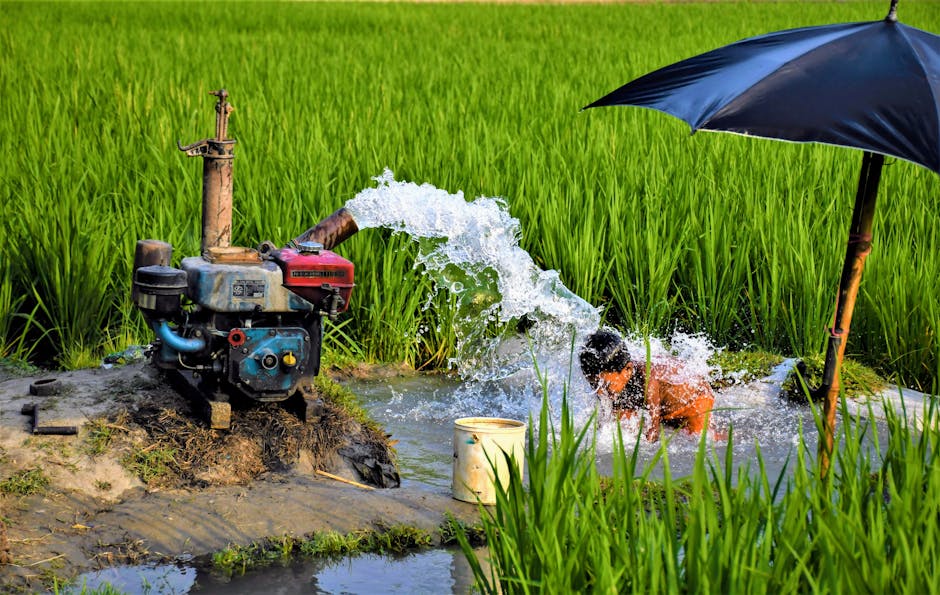
Water is precious, especially on rural properties where mains supply might be limited or non-existent. Whether you're managing a croft in a dry region or just want to reduce your water consumption and costs, smart water management makes real sense.
Rainwater harvesting is the simplest approach. Install guttering and downpipes to channel roof water into storage tanks. A modest cottage roof can collect thousands of litres annually. Store this water in food-grade tanks for use in gardens, animal watering, and cleaning. This reduces reliance on mains water and provides backup during supply interruptions.
Size your storage correctly. Calculate your typical monthly water use, then aim for storage capacity matching at least two to three months of dry weather. In most UK regions, summer is driest, so plan accordingly. Larger tanks cost more upfront but save money long-term.
Maintain water quality. Even harvested rainwater needs basic treatment for some uses. Install first-flush diverters (simple devices that discard the first dirty water from roofs) and use coarse filters. For drinking water, add proper filtration and testing—harvested water alone isn't safe to drink without treatment.
Use water efficiently in the garden. Drip irrigation and soaker hoses deliver water directly to plant roots, reducing waste compared to sprinklers. Water early morning or evening to minimise evaporation. Mulch around plants to retain soil moisture. Choose drought-tolerant plants suited to your climate.
Manage livestock water carefully. Animals need clean, fresh water daily. Rather than carrying buckets, run water lines to troughs if possible. In winter, ensure water doesn't freeze—insulated troughs or heated elements solve this. Stock ponds can provide water for livestock and emergency reserves, but they need maintaining to prevent stagnation.
Check for leaks regularly. A dripping tap wastes thousands of litres yearly. Fix leaks promptly. Inspect outdoor pipes, especially in winter, as frost damage is common. Insulating exposed pipes prevents this.
Greywater systems can extend supplies further. Water from showers, baths, and washing machines can be reused for gardens and toilet flushing. Simple systems are relatively cheap to install. Avoid using greywater on vegetables you eat raw, and don't store it long (bacteria multiply quickly).
Plan for drought years. Even in wet regions, dry periods occur. Having multiple water sources—mains supply, harvested rainwater, a well if possible, and a pond—provides security. Understand your rights regarding water abstraction; some regions require permits.
Water management on a croft isn't complicated, but it does require planning. Start with rainwater harvesting, add conservation practices, and expand from there. Over time, you'll become far less dependent on external water supplies.