Seasonal Tasks: A Year-Round Croft Calendar
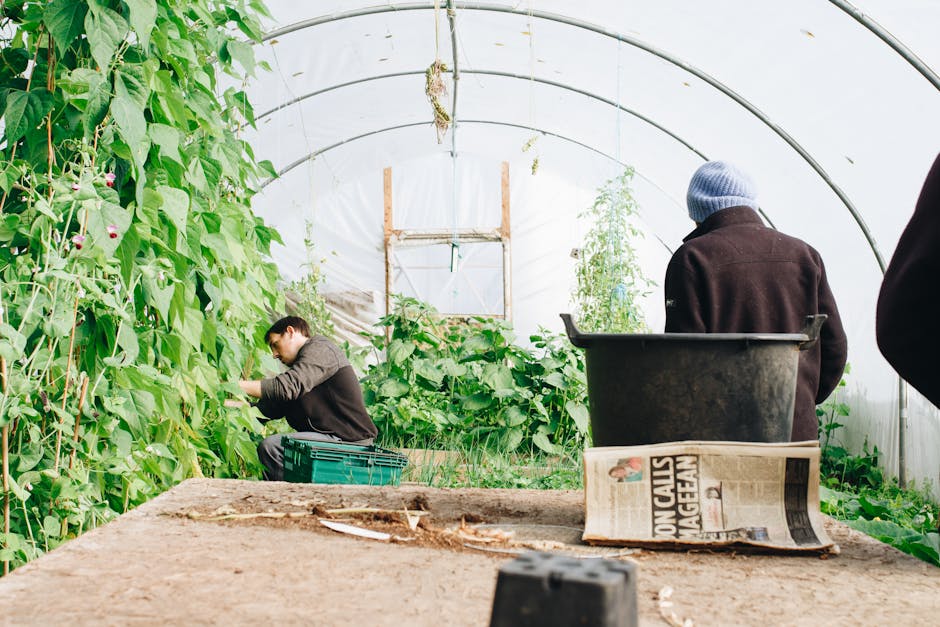
Managing a croft effectively means working with the seasons rather than against them. Different times of year bring different priorities. Having a clear calendar prevents you from missing important tasks and helps you plan workload distribution throughout the year.
January and February: Winter maintenance. These are good months for indoor planning and repairs. Service tools and equipment while you have time. Check fencing and buildings for winter damage. Start seeds indoors for spring planting. For livestock, ensure adequate shelter and feed supplies.
March and April: Spring awakening. Prepare beds for vegetable growing. Sow cool-season crops like lettuce, peas, and broad beans directly outdoors. Finish any fencing or building work before vegetation becomes too dense. Check that water systems are working properly after winter. Begin weekly checks on chickens and other animals for signs of spring parasites.
May and June: Planting season. Transplant seedlings started indoors. Sow tender crops like beans, courgettes, and tomatoes once frost risk passes (usually late May in southern UK, early June in the north). Establish a regular watering routine as growth accelerates. Weeding becomes a weekly job now.
July and August: Growing and harvesting. You'll be harvesting early crops while still maintaining others. Deadhead flowers to encourage more blooms. Prune fruit trees and soft fruit plants. Start collecting seeds from successful plants for next year. Keep on top of watering during dry spells.
September and October: Harvest and preparation. Harvest most vegetables before first frost. Collect apples, berries, and other fruit. Plant garlic and onion sets for next spring. Clear spent vegetable plants and add them to compost. Prepare beds for winter by adding compost or manure.
November and December: Autumn wind-down. Finish harvesting before hard frost arrives. Cut back perennials and tidy beds. Repair fencing and buildings now, before winter weather makes work difficult. Stock up on animal feed and bedding. Service equipment and clean tools properly before storing for winter.
Throughout the year: Regular tasks. Water animals daily, collect eggs, check for health issues, and maintain compost piles. Rotate pasture if you have grazing animals. Keep detailed notes on what works and what doesn't—this becomes invaluable information for planning next year.
Be flexible with timing. Weather varies annually. Some years spring arrives early, other years late. Monitor your specific location rather than following fixed dates. Local farming groups often share information about what's happening in your area right now.
Print a calendar and mark key dates for your specific crops and animals. As you become more experienced, you'll develop your own rhythm and preferences. The key is staying organised and not leaving important tasks until crisis point.