Making Compost: Turning Waste into Garden Gold
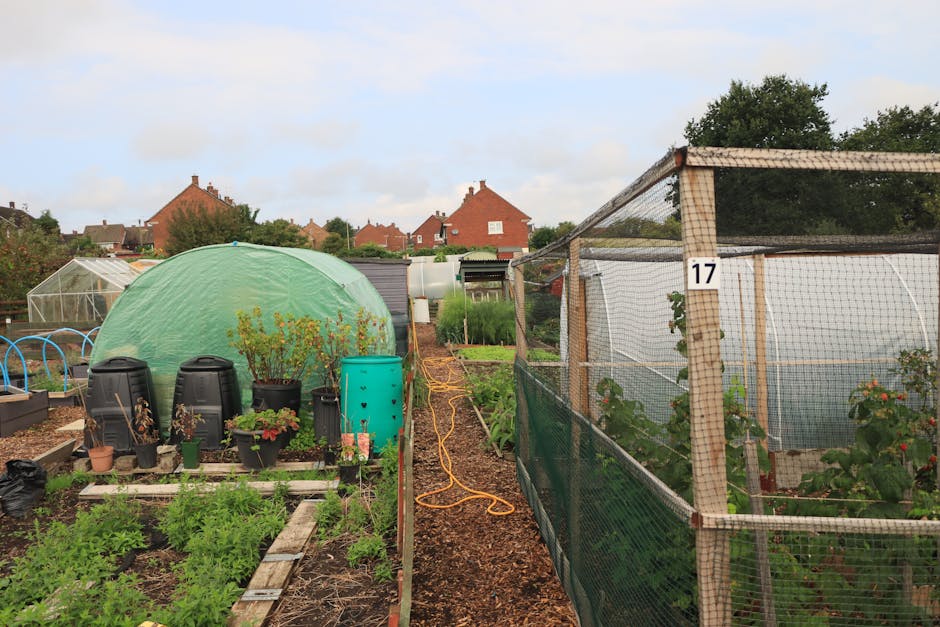
Compost is the most valuable resource you can make on a croft. It improves soil structure, adds nutrients, and reduces the waste you need to dispose of. Making compost isn't complicated or unpleasant—it's simply managing the breakdown of organic matter efficiently.
Understand the basics. Compost is made from two types of material: "greens" (nitrogen-rich materials like grass clippings, vegetable scraps, and fresh manure) and "browns" (carbon-rich materials like leaves, straw, cardboard, and shredded paper). The best compost has roughly equal amounts of each. Too many greens and it becomes slimy and smelly; too many browns and it breaks down very slowly.
Choose a compost system. A simple heap in the corner of your garden works fine, though it's slower and less tidy than a bin. A three-sided structure made from pallets is cheap and effective. Commercial compost bins are neat and faster. For larger quantities, a three-bin system lets you have compost at different stages simultaneously.
What to compost. Add vegetable and fruit scraps, grass clippings, leaves, straw, paper, cardboard, and animal manure (from vegetarian animals—chicken, horse, or cow manure is excellent). Avoid meat, fish, oils, dairy, and diseased plants. These create smell problems or spread disease.
Layer your materials. Alternate greens and browns in roughly equal proportions. A simple pattern: three inches of grass clippings, then three inches of leaves, then kitchen scraps scattered throughout. This layering helps create the right moisture and air balance.
Manage moisture and air. Compost should be as moist as a wrung-out sponge—damp but not waterlogged. Turn your heap every few weeks to add air, which speeds decomposition significantly. Even a simple heap turned monthly produces usable compost in three to six months. Untouched heaps take a year or more.
Speed it up with additives. You don't need commercial compost accelerators. Adding a few shovels of finished compost or garden soil introduces microorganisms that speed the process. Some gardeners swear by adding nettles or comfrey leaves.
Know when it's ready. Finished compost is dark brown, crumbly, and smells earthy. You shouldn't see original materials—everything should be broken down. It's fine if it's not perfect; even partially decomposed compost improves soil.
Use it effectively. Spread finished compost on garden beds annually—aim for at least two centimetres depth. Mix it into planting holes for vegetables and fruit. Use it as mulch around established plants. There's no such thing as too much compost.
Save money and reduce waste. Buying compost by the bag is expensive. Making your own costs nothing and keeps organic waste out of landfill. Most crofts generate enough organic material to produce several cubic metres of compost yearly.
Start your first heap today. Even a modest compost pile will transform your gardening within a year.