Keeping Chickens: A Practical Guide for Beginners
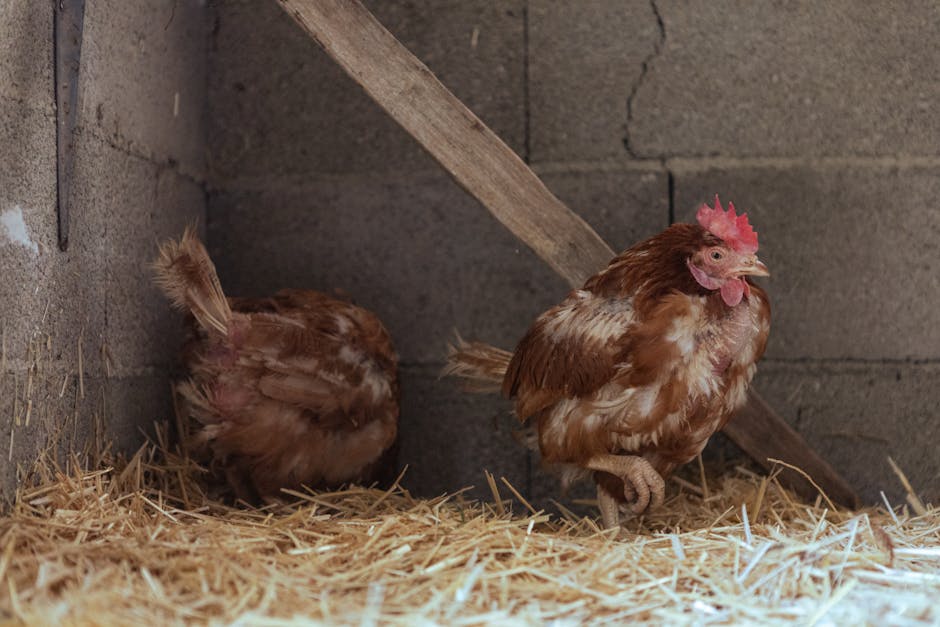
Keeping chickens is one of the most popular ways to become more self-sufficient. They're relatively low-maintenance, entertaining, and provide fresh eggs daily. If you're considering adding chickens to your croft, here's what you need to know.
Plan your housing carefully. Chickens need a secure coop to protect them from foxes and other predators. Aim for about 1.5 square metres of coop space per bird, plus outdoor run space. The coop needs good ventilation, nesting boxes, and perches. Check that doors close securely—most predator attacks happen at night.
Choose the right breeds. For a beginner, hybrid breeds like the Lohmann Brown or Warrens are excellent layers and hardy. If you want variety, consider pure breeds like Wyandottes or Sussex. Avoid ultra-specialist breeds unless you have specific experience.
Feed them well. Chickens need layers' pellets (if they're laying hens), fresh water daily, and kitchen scraps. They love vegetable peelings, cooked rice, and soft fruit. Avoid avocado, chocolate, and anything mouldy. Most backyard chickens also supplement their diet by foraging for insects and plants.
Expect about three to four eggs per week per bird during peak laying season. Older hens and winter months mean fewer eggs. This is normal and nothing to worry about.
Health checks matter. Examine your birds regularly for signs of illness, parasites, or injury. Common issues include red mite (treat the coop thoroughly) and respiratory infections (ensure good ventilation). A healthy chicken is active, alert, and has clean feathers.
Provide enrichment. Chickens are curious and social. They need space to scratch, dust-bathe, and peck at things. Boredom leads to problems like feather pecking. Simple additions like branches, straw bales, or vegetable scraps hung from the roof keep them occupied.
Plan for predators. Foxes are the biggest threat in rural UK areas. Ensure your run is completely enclosed with strong fencing, and lock birds in the coop at dusk. Some people use electric fencing for additional protection.
Budget for ongoing costs. Feed is your main expense, followed by bedding and occasional veterinary care. Most small-scale keepers find their eggs cost more than shop-bought ones initially, but the quality and freshness make it worthwhile.
Start with just three or four birds to see how you manage. Once you're confident, you can expand your flock. Chickens are rewarding animals that quickly become part of the family.