Getting Started with Small-Scale Vegetable Growing
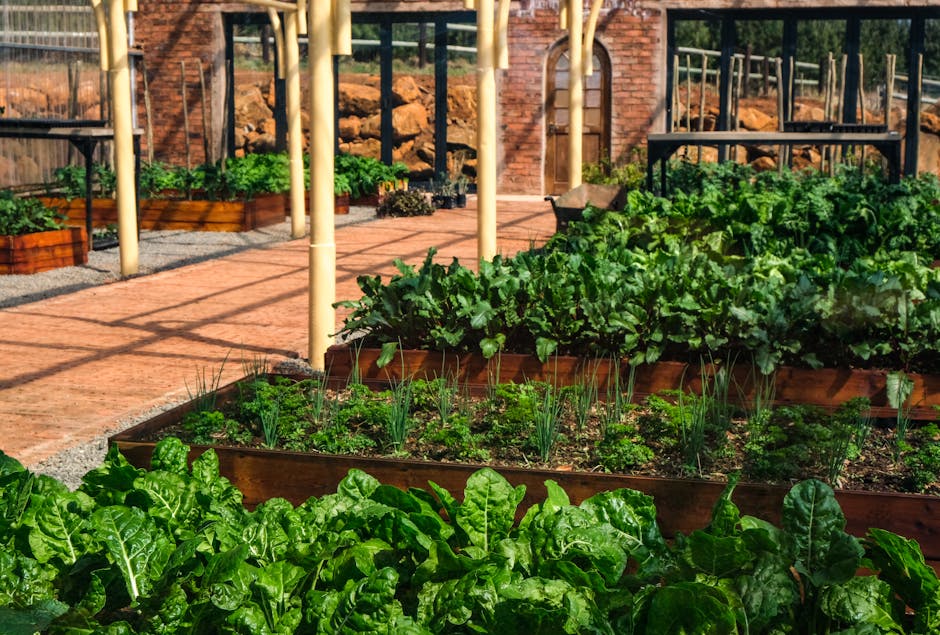
Growing your own vegetables is one of the most rewarding activities you can do on a smallholding or croft. Whether you have a large plot or just a few raised beds, there's always room to grow fresh produce for your family.
Start with the basics. Before you dig up the ground, spend time observing your space. How much sunlight does it get? Is the soil well-draining? Most vegetables need at least six hours of direct sunlight daily. If you're working with poor soil, don't worry—you can improve it over time with compost and organic matter.
Choose vegetables you'll actually eat. It's tempting to grow everything, but focus on crops your household enjoys. Tomatoes, courgettes, lettuce, beans, and potatoes are reliable choices for UK growers and don't require specialist knowledge. Start with just five or six varieties in your first year.
Invest in good soil. Healthy soil is the foundation of successful vegetable growing. Add compost, well-rotted manure, or peat-free alternatives to enrich your beds. This is far more important than fancy equipment or expensive seeds.
Plan your layout. Taller plants like beans and tomatoes should go on the north side of your plot so they don't shade shorter crops. Group plants by their water needs—this makes irrigation more efficient. Leave space between rows for access and air circulation.
Timing matters. The UK growing season runs roughly from March to October, depending on where you live. Check seed packets for sowing dates specific to your region. Starting seeds indoors in spring gives you a head start, though direct sowing is simpler for beginners.
Water consistently. Most vegetables need about an inch of water per week. Water early in the morning to reduce disease and help plants cope with heat. In dry spells, mulch around plants to retain moisture.
Don't over-complicate it. Many new growers buy expensive equipment and specialist fertilisers unnecessarily. Basic tools—a spade, fork, hoe, and trowel—will serve you well for years. Save money by making your own compost from kitchen scraps and garden waste.
Start small, observe what works in your specific location, and expand gradually. Your first season won't be perfect, and that's fine. Each year you'll learn more about your soil, your climate, and what grows best on your croft.