Building and Maintaining Stone Walls on Your Croft
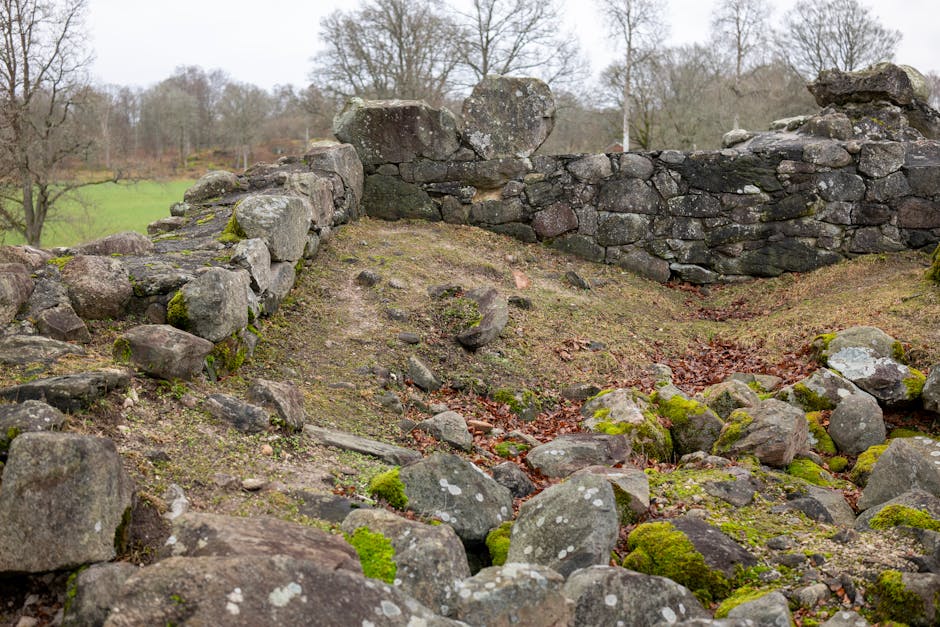
Stone walls are iconic features of the UK countryside and often form the boundaries of crofts and rural properties. They're beautiful, functional, and can last centuries with proper care. If you've inherited stone walls or are planning to build new ones, understanding their maintenance is essential.
Understand what you have. Traditional stone walls vary significantly by region. Dry stone walls (built without mortar) are common in Scotland, Wales, and northern England. Mortared walls are found throughout the UK. The construction method affects how you maintain them. Dry stone walls are surprisingly flexible and can move slightly in frost or after heavy rain—this is normal.
Identify common problems early. Regular inspection prevents small issues becoming major repairs. Look for missing stones, bulging sections, and loose mortar in mortared walls. Vegetation growth isn't always bad—moss and lichen protect the stone—but climbing plants with thick stems can force stones apart.
For dry stone walls, simple repairs are manageable. If stones fall out, you can often replace them by hand, fitting them tightly with the largest face outward. Pack smaller stones into gaps. The wall's weight holds everything in place. YouTube videos and local stone-working groups offer excellent guidance for beginners.
Mortared walls need more care. If mortar is crumbling, repointing is necessary. This is specialist work—hire experienced contractors who understand traditional lime mortar (not modern cement, which damages old stone). Poor repointing is worse than no repointing, so don't attempt this yourself unless trained.
Prevent damage from vegetation. Remove ivy and climbing plants every few years. Don't let tree roots grow into walls. Trim back vegetation near the wall base to prevent moisture accumulation and frost damage.
Handle water properly. Good drainage protects walls. Ensure gutters and downpipes don't direct water onto wall tops. In fields, encourage water to run away from the wall rather than pooling against it. Coping stones (the top layer) should slope slightly to shed water.
Work with professionals when necessary. For structural issues, bulging, or major repairs, consult a surveyor experienced with traditional buildings. Many councils have conservation officers who offer free advice for listed structures.
Budget for maintenance. Stone walls are low-maintenance compared to many features, but they do need occasional attention. Setting aside a small annual budget for minor repairs prevents expensive emergency work later.
Your stone walls are part of the landscape's heritage. With basic care and respect for traditional methods, they'll continue protecting and defining your property for generations to come.